The kitchen is the heart of the home, a place where flavours, emotions and memories are created. It is no surprise that choosing its style can be a real challenge. Should you opt for modern minimalism, where technology and simplicity take centre stage, or classic elegance filled with warmth and comfort? Modern kitchens impress with their functionality and innovative solutions, while classic designs bring timeless charm and a welcoming atmosphere to the interior. Both styles have undeniable strengths, but also hidden drawbacks worth considering before making a decision. If you are wondering which direction to take, this article will help you examine the differences and decide which kitchen will best suit your needs.
What Makes a Modern Kitchen Stand Out?
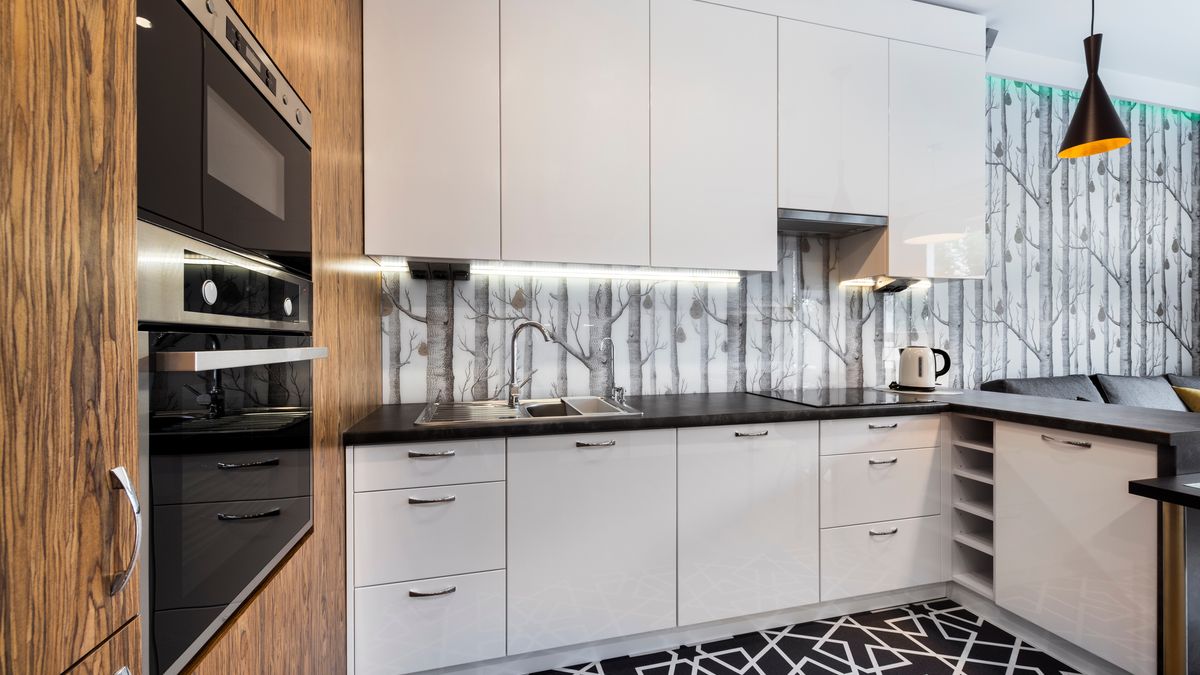
A modern kitchen is a space where aesthetics meet maximum functionality. Simple forms and minimalism are essential. The absence of unnecessary decoration, smooth surfaces and concealed storage systems keep the interior orderly and ergonomic.
Popular materials include lacquered fronts, glass and stainless steel, as well as worktops made from stone or sintered stone, combining durability with elegance. White, grey, black and beige dominate the colour palette, often softened by wooden accents. Minimalist accessories and integrated appliances create a harmonious look, while technology, from illuminated drawers to smart appliances, completes the modern character of this kitchen of the future.
What Defines a Classic Kitchen?
A classic kitchen is synonymous with elegance and warmth that never go out of style. Its character is defined by natural materials such as oak, walnut or pine, often complemented by granite or marble worktops. Cabinet fronts feature decorative moulding and stylish handles, while details such as glazed display cabinets and ornamental trim add harmony and refinement.
Muted colours dominate a classic kitchen: shades of cream, beige and warm brown create a welcoming atmosphere. It is a space where traditional elements, such as solid wooden tables and copper accents, combine functionality with timeless charm.
A Comparison of the Pros and Cons of Both Styles
Choosing between a modern and a classic kitchen is not only a matter of appearance, but also of functionality and everyday comfort. Both styles offer distinct advantages, but they also have certain limitations that are worth considering before making a final decision. The advantages of a modern kitchen include:
maximum functionality: concealed storage systems, smart solutions and integrated appliances;
minimalism: an orderly space without unnecessary decoration;
easy cleaning: smooth, uniform surfaces need less maintenance;
modern materials: resistant to moisture and damage, including sintered stone, glass and stainless steel.
Potential disadvantages of this type of kitchen include:
a cool atmosphere: without warm accents, the kitchen may feel stark;
cost: modern technology and high-quality materials can increase the price of the project.
A classic kitchen offers timeless style and a warm, homely atmosphere. Although its natural materials and solid workmanship are appealing, it is also worth considering its potential limitations before choosing this style.
Advantages of a classic kitchen:
a welcoming atmosphere: natural wood, warm colours and decorative details create a sense of family warmth;
timeless style: classic kitchens never go out of fashion and suit a wide range of interiors;
durability: robust natural materials such as wood and stone provide lasting quality.
The disadvantages of a traditional kitchen include:
more demanding maintenance: moulded fronts and natural materials may require greater care;
less innovation: modern technology is used less often than in a modern kitchen.
Each style has its strengths. The choice depends on the household's needs and aesthetic preferences.
When Should You Choose a Modern Kitchen and When a Classic One?
Your choice of kitchen style depends on your priorities and how you imagine the ideal space for cooking and spending time together. A modern kitchen is a good choice if you value minimalism, functionality and modern technology. It is ideal for people who appreciate simplicity, order and practical solutions such as push-to-open drawers and smart appliances.
A classic kitchen, by contrast, is ideal if you want a warm, family atmosphere and timeless elegance. Natural wood, moulded fronts and subtle details create a space in which people enjoy spending time. If you live at a fast pace, choose a modern design. If home brings tradition and memories to mind, the classic style will be the better fit.
Can Modern and Classic Styles Be Combined?
Although modern and classic styles may seem like opposites, combining them can produce a surprisingly harmonious result. A modern classic kitchen brings together the best of both worlds: minimalist functionality and technology with the refined charm of natural materials. Smooth, light-coloured cabinet fronts can be paired with wooden worktops or moulded details.
Warm shades of beige and brown, balanced with stainless steel, marble or glass, create a space that is both elegant and welcoming. This style is ideal for anyone who wants modern convenience without giving up the traditional atmosphere of a family home.
Summary
Choosing between a modern and classic kitchen is more than an aesthetic decision. It reflects the household's lifestyle, needs and aspirations. Modern style is defined by minimalism, technology and an orderly space, while classic design brings warmth, elegance and a sense of calm to the home.
You do not have to choose one style exclusively. A hybrid design can be the key to creating an ideal kitchen that combines functionality with character. Whatever the style, the most important thing is for the kitchen to be a place that inspires you and feels comfortable and welcoming.