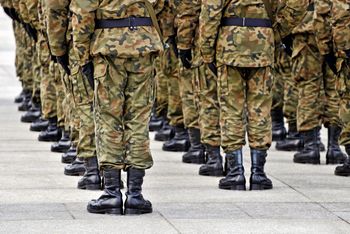





Modern Military Technologies in Poland. Will FPV Drones Transform the Armed Forces?
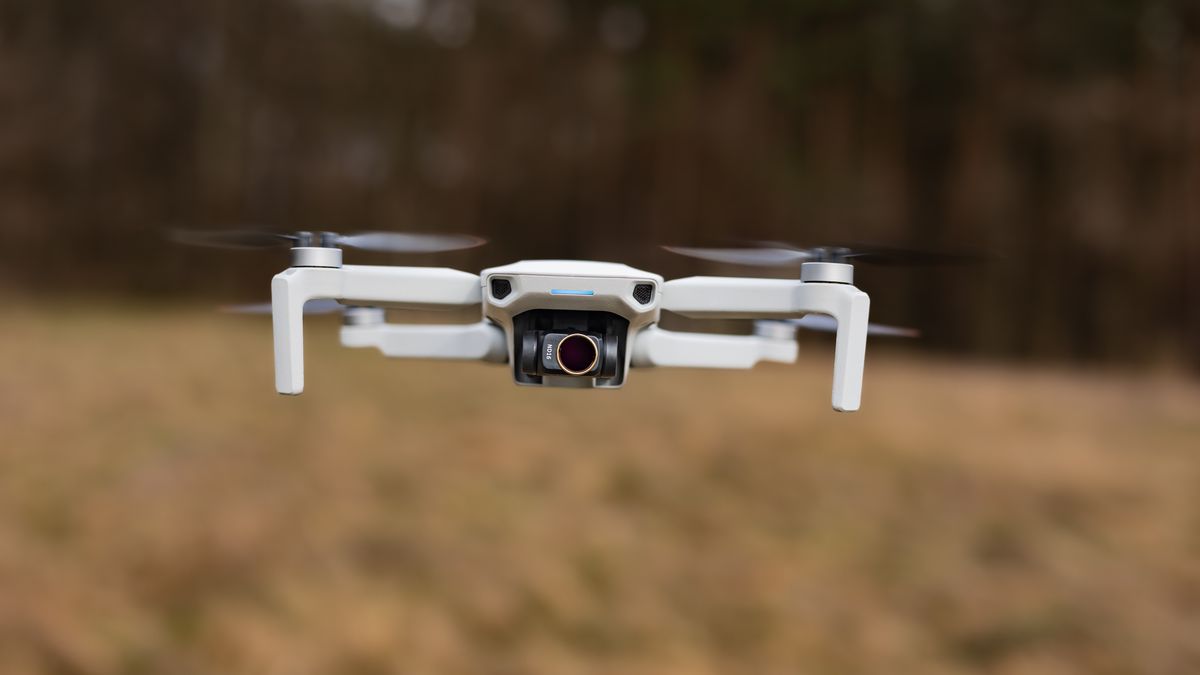
dron, drone, drones, dron zbliżenie, drony, technologia, aeroplan, fotografiadron, drone, drones, dron zbliżenie, drony, technologia, aeroplan, fotografia
Źródło zdjęć: © Licencjodawca | Foto: Stock Adobe

Only a few years ago, they were associated mainly with racing competitions and aviation enthusiasts. Today, FPV drones are an important tool in modern warfare, used for strikes, reconnaissance and jamming operations. Their strength lies not in advanced technology, but in their availability, adaptability and cost-effectiveness.


FPV Drones as a Low-Cost, Flexible Weapon

They can be assembled from readily available modelling components and off-the-shelf electronics. Cameras and FPV goggles give the operator full control of the flight, almost as if they were in the cockpit. This enables precision operations with minimal risk to personnel.

The war in Ukraine has shown the enormous potential of simple solutions. FPV drones were initially built by enthusiasts, but quickly evolved into an organised system supporting combat operations. Ukraine has become a centre for testing and developing drone tactics on an unprecedented scale.

Images matter in modern warfare. Footage captured by drones, showing precision strikes on targets, is shared on social media and television. It creates a psychological advantage, raises the morale of friendly forces and discourages the enemy. FPV drones are therefore not only a means of physical destruction, but also a tool of influence in the information domain.

Learning in the Polish Armed Forces - Practical FPV Drone Courses

Drawing on lessons from Ukraine, the Polish military has begun introducing training in operating and building FPV drones. The 1st Warsaw Armoured Brigade launched a series of courses in which soldiers learn flight theory, piloting, construction and maintenance.

The training covers the full range of skills, from selecting the right components and assembling and configuring onboard systems to field-testing completed units. This approach is intended to prepare soldiers not only to operate the drones, but also to respond to emergencies when technical support is limited.

Instructors emphasise that the ability to build a drone independently is both a valuable training exercise and a way to strengthen operational resilience. It enables rapid repairs and adaptation under real-world threat conditions.

The programme's greatest strength is the development of soldiers' technical and practical skills. Combined with the units' growing experience, this lays the foundation for a new level of operational capability in the Polish Armed Forces that could determine future battlefield advantage.

3D Printing in the Military: An Experiment or the Start of an Industrial Transformation?

The Ministry of National Defence has launched an ambitious pilot programme to introduce 3D printing for the production and repair of components for unmanned aerial systems. The programme is scheduled to run until the end of 2026 and will involve nine military units selected for their technological sophistication and openness to innovation.

As the General Staff noted in its statement, the aim is not merely to test additive manufacturing methods, but to create a complete technical and logistics ecosystem. This is intended to build operational expertise, the necessary equipment base and organisational models that will allow the military to produce strategic components on demand.

In combat, every hour of delay can cost lives. The ability to print a propeller, mounting bracket, airframe or electronic component immediately could therefore determine the effectiveness of an entire operation. Deploying 3D printing in frontline units would not only speed up operations but also reduce dependence on central warehouses and long supply chains.

If the project succeeds, it could fundamentally change how the armed forces operate. Local 3D-printing centres could become a permanent part of military structures, supporting not only drones but other types of equipment in real time, from training ammunition to individual components of soldiers' equipment.

Challenges and Risks: Does Poland Have a Plan for the Future?

Training and pilot programmes are a step in the right direction, but they will not be enough to deliver a genuine transformation of defence capabilities. Their impact will remain marginal unless they are supported by appropriate legislative, financial and structural decisions. A strong industrial base is needed to supply components continuously, design new solutions and respond to battlefield needs.

Cooperation with domestic manufacturers, technology companies and the research and development sector should become one of the pillars of military modernisation. At present, however, there are no specific long-term contracts that would provide financial stability and an incentive to invest in innovation. This is a major risk: without such contracts, domestic capabilities could be squandered or acquired by foreign corporations.

Innovation programmes, particularly in defence, are highly vulnerable to political turbulence, changing priorities and budget constraints. Their success depends on consistency, predictability and resilience to changes in personnel and decision-making.

FPV drones and 3D printing are not magic technologies. They are tools that must be properly embedded within a system. Without coherent processes, trained personnel, infrastructure and maintenance support, even the best concepts will remain little more than marketing slogans.

Modern Military Technology Is an Opportunity, Not a Guarantee

The Polish Armed Forces have undoubtedly embarked on the path to modernisation. Introducing FPV drones and 3D-printing technology is a step towards greater operational flexibility and faster responses to the challenges of the modern battlefield. If properly implemented, these tools could transform the conduct of tactical operations.

Without strong organisational support and a long-term vision, however, they may remain little more than technological curiosities. Much will depend on policymakers' determination, willingness to invest and genuine engagement from the defence industry. It will be crucial to integrate modern solutions into the military's existing structure and ensure that projects continue regardless of political change.

Modern military technology is not a luxury but a necessity. Yet it becomes effective only when it forms part of a wider ecosystem with clear objectives, an industrial base, training and system-level support. Turning an experiment into a genuine combat capability will require consistent action, a well-considered strategy and the courage to follow it through.

Selected for you