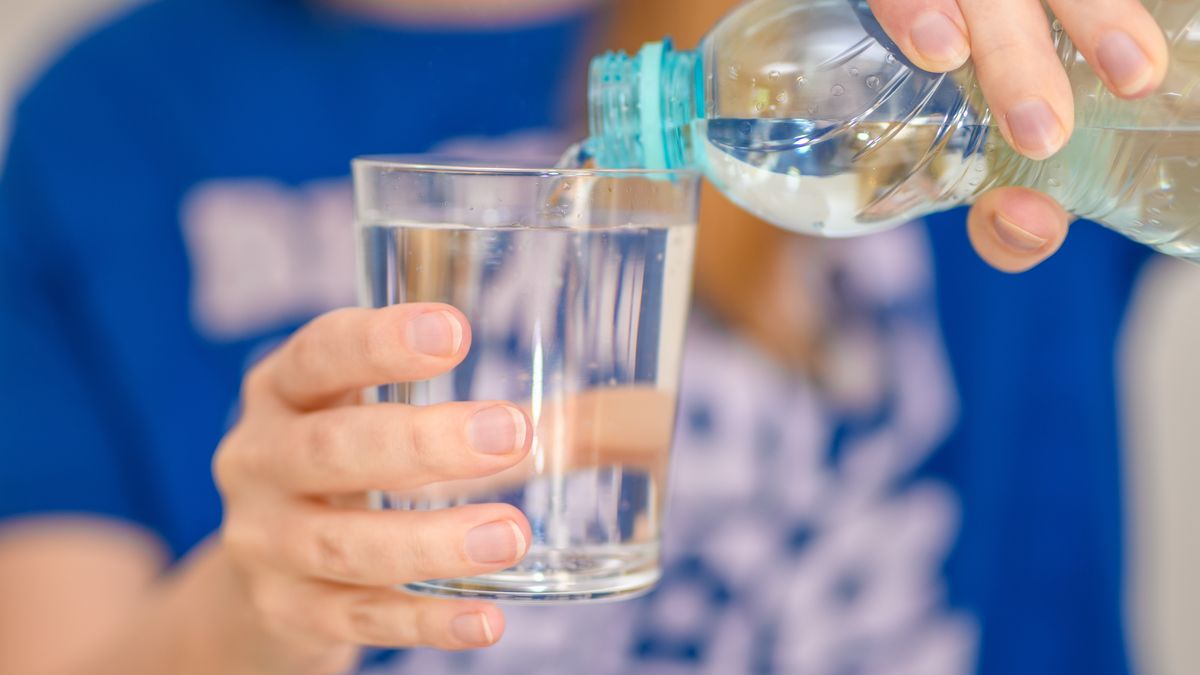
The idea that water has magical beauty benefits is one of the most widespread myths in skincare. We hear it everywhere - from influencers and dermatologists to grandmothers and beauticians. But does drinking more water really make our skin look better? Modern scientific research offers a more complex answer than you might expect. The truth about how water affects the appearance of the skin is fascinating and sometimes surprising.
Skin and Water - The Basics of Physiology
Skin is the largest organ in the human body and contains about 64% water. The highest concentration is found in the basal layer of the epidermis, where the cells are young and metabolically active. As the cells move towards the surface of the skin, their water content gradually falls - the outer stratum corneum contains only about 15-20% water.
Water leaves the skin in two ways. The first is insensible perspiration, the natural evaporation of water through the skin, which amounts to about 300-400 ml per day in a healthy person. The second is sweating, which is activated in response to heat or stress. In total, we can lose as much as a litre of water through the skin each day, representing a significant share of the body's overall water balance.
The skin barrier, which consists mainly of keratin and lipids, protects against excessive water loss. When this barrier is damaged by disease, harsh cosmetics or environmental factors, the skin loses more water and may look worse regardless of how much we drink.
What Clinical Research Says About Drinking Water
A systematic review published in Nutrients in 2018 examined all the available evidence on the effects of hydration on the skin. Its findings are more nuanced than popular advice suggests. Research shows that increasing water intake improves skin hydration, but mainly in people who previously drank too little - below their basic physiological requirements.
One key study involved 49 healthy women who drank an additional 2.25 litres of water each day for a month. The researchers observed improved skin hydration, particularly in the deeper layers. However, the visible changes were subtle: the skin became slightly more elastic, but differences in its appearance were difficult to detect without specialist equipment.
Another study from 2007 found that even a substantial increase in water intake - an additional 2 litres per day for 6 weeks - did not produce dramatic changes in the appearance of the skin in young, healthy people. As an analysis published on MedicaZone.pl showed, certain habits can exacerbate skin problems even in people who maintain adequate hydration.
When Drinking More Water Really Helps
The real benefits of increasing water intake are mainly apparent in particular circumstances. People with chronic dehydration, older people whose water-regulation mechanisms work less effectively, and those living in a dry climate may notice an improvement in the appearance of their skin after increasing their fluid intake.
Research also shows that acute dehydration - for example, after strenuous exercise or illness - quickly affects the appearance of the skin. In such cases, replacing fluids may produce a visible improvement within a few hours.
How Water Affects the Skin
Water does not reach the skin directly. The water we drink must first be absorbed in the intestines, enter the bloodstream and then travel through blood vessels to the skin tissue. This process takes time and is closely regulated by hormones.
Vasopressin, also known as antidiuretic hormone, plays a key role in regulating the body's water balance. When we are dehydrated, it reduces the amount of water excreted by the kidneys, but it does not directly control how water is distributed to the skin. The body treats the skin as a lower priority, meeting the needs of the blood, brain and other vital organs first.
For this reason, mild dehydration may not affect the appearance of the skin for a long time, even when internal organs are already experiencing a water deficit. Paradoxically, the skin is often the last organ to receive additional water when we increase our intake.
The Role of Aquaporins in Water Transport
Recent research has revealed the importance of proteins called aquaporins, which act as water channels in skin cells. Aquaporin-3 is particularly important for epidermal hydration. Its activity declines with age and may also be reduced by external factors such as UV radiation and pollution.
Interestingly, drinking water alone has a limited effect on the number or activity of aquaporins. Topically applied ingredients such as glycerine or hyaluronic acid may be more effective because they directly influence the skin's ability to bind water.
Water Quality Matters
Not only the amount but also the quality of drinking water may affect the skin. Very hard water, which is rich in calcium and magnesium, may worsen the condition of people with atopic dermatitis or sensitive skin. Research from the United Kingdom found that children living in hard-water areas were more likely to have eczema.
Conversely, water that is too soft is not ideal either, as it may be harsher on the skin barrier. Water of moderate hardness with a near-neutral pH appears to be best for the skin.
Although the chlorine added to drinking water is safe to consume, prolonged contact with it may irritate the skin. For people with sensitive skin, washing in chlorinated water may therefore be more problematic than drinking it.
Water Temperature and Its Effects
The temperature of drinking water probably does not affect its impact on the skin, but the temperature of water used for washing does. Water that is too hot damages the skin's lipid barrier and may increase transepidermal water loss.
The ideal temperature for washing is about 32-35°C - warm, but not hot. Brief, cool showers may even improve microcirculation in the skin, which could theoretically support its nourishment.
Myths and Facts About Skin Hydration
One of the most widespread myths is that we should drink eight glasses of water a day for beautiful skin. This rule has no scientific basis. Water requirements vary greatly from person to person and depend on body weight, physical activity, climate and health.
Another myth suggests that every glass of water immediately improves the appearance of the skin. In reality, skin hydration takes hours, while visible effects - if they occur at all - emerge only after weeks of regular, adequate hydration.
It is also wrong to assume that more water always means better skin. Excessive water intake can dilute electrolytes in the blood, which may paradoxically impair the transport of water to tissues.
When Water Can Be Harmful
Water intoxication occurs when excessive water intake causes the sodium concentration in the blood to fall to a dangerous level. Although rare, it can occur when very large quantities of water are consumed in a short period - more than 6-7 litres per day.
A sudden, dramatic increase in water intake may also be problematic for the skin because it can temporarily disrupt electrolyte balance and affect the function of the skin barrier.
Other Ways to Hydrate the Skin
Rather than focusing solely on drinking water, it is worth considering other ways to improve skin hydration. Humidifiers can help considerably, particularly during the heating season, when indoor humidity falls below 40%.
Skincare products containing humectants such as hyaluronic acid, glycerine and urea effectively attract and retain water in the skin. Their effects may be more direct and visible than those produced by increasing water intake.
Sun protection is another key factor. UV radiation damages the structures responsible for binding water in the skin, so even the best moisturiser may be less effective than a good sunscreen.
Diet and Skin Hydration
An interesting area of research is the effect of diet on skin hydration. Foods rich in omega-3 fatty acids, such as oily fish, antioxidants from fruit and vegetables, and ceramides, which are found in foods including sweet potatoes, may support the skin barrier more effectively than drinking water alone.
Eating fruit and vegetables with a high water content, such as cucumbers, watermelon and tomatoes, may be more beneficial for the skin than drinking the same amount of plain water because these foods also provide electrolytes and nutrients.
Practical Advice for Everyday Skincare
So, is it worth drinking more water to improve the appearance of your skin? The answer is: it depends. If you drink less than your body needs, increasing your fluid intake may bring a subtle improvement. But if you are already adequately hydrated, additional litres of water are unlikely to make any difference to the appearance of your skin.
A broader approach may be more effective: maintain adequate but not excessive hydration, use a humidifier, follow a good topical skincare routine and protect your skin from the sun. The skin is a complex organ whose appearance depends on many factors, and the amount of water you drink is only one of them.
Remember that dramatic changes in the appearance of the skin may indicate a health problem that requires consultation with a dermatologist. Water is not a cure-all for skin problems, although it is certainly an important part of a healthy lifestyle.