




How Turbochargers Work and What You Need to Know

Konrad Koneczny
Foto ilustracyjneFoto ilustracyjne
Źródło zdjęć: © Licencjodawca | Foto: Stock Adobe

Turbochargers have become an integral part of modern internal combustion engines, increasing their performance while helping to reduce harmful exhaust emissions. Since Alfred Büchi invented the turbocharger in 1905, the technology has evolved considerably to meet increasingly stringent environmental and performance requirements. This article explains what a turbocharger is, how it works in a car, the main types available and the phenomenon every driver knows as turbo lag.


How Turbochargers Work in Cars

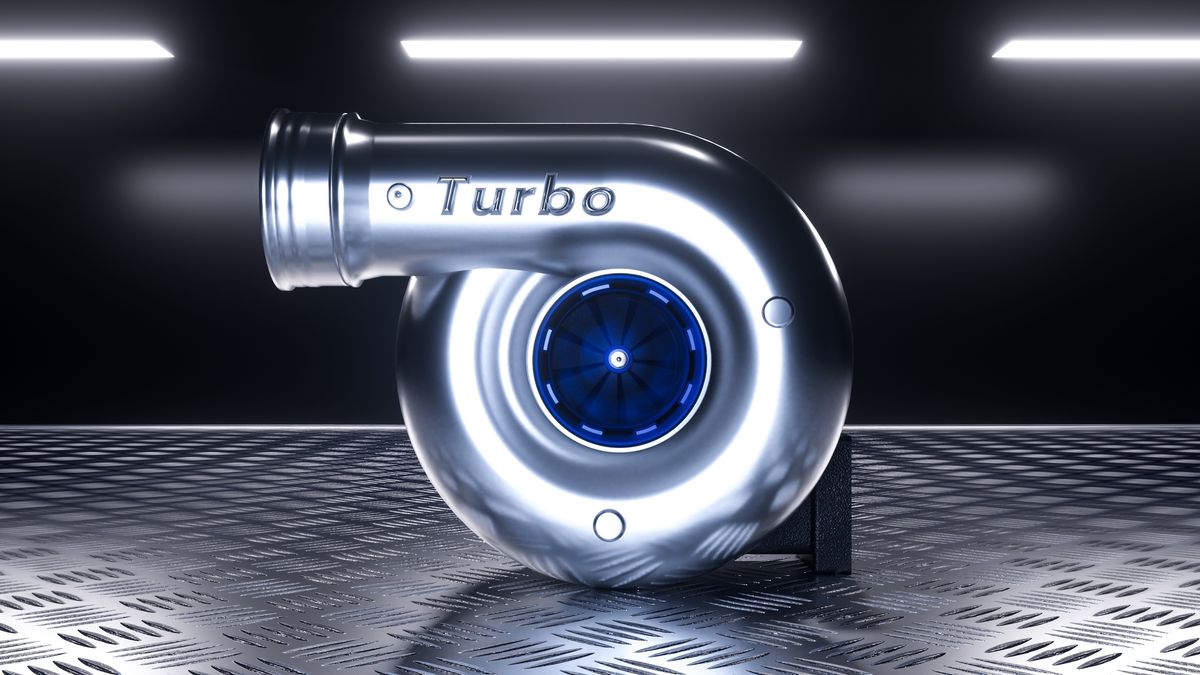
A turbocharger is a device that improves the efficiency and power output of an internal combustion engine by forcing more air into the combustion chamber than atmospheric pressure alone could supply. It uses energy from the exhaust gases to drive a turbine. The turbine is connected to a compressor, which compresses the air entering the engine. More air allows more fuel to be burned, increasing power without increasing engine size.

Balancing the flow of exhaust gas and air is essential to the operation of a turbocharger. Various mechanisms regulate this balance, including wastegates and variable-geometry control systems. The sophistication of these systems determines efficiency, durability and how quickly the engine responds to changing conditions, such as sudden acceleration. Modern turbochargers also use technologies that reduce turbo lag, the brief delay before full power becomes available after the accelerator is pressed.

Types of Turbocharger and Their Technologies

Turbochargers can be classified by their design, operating principle and intended use. The most common types are:

Single turbo - the most common arrangement, in which one turbocharger provides boost for the engine. Its simple design and effective operation make it a popular choice among vehicle manufacturers.

Twin-turbo - a system with two turbochargers that can operate in parallel or sequentially, optimising boost across a wide range of engine speeds. This arrangement can reduce turbo lag and improve engine response under different loads.

Variable-geometry turbocharger (VGT) - a technology that changes the angle of the vanes according to engine operating conditions. This provides more precise control of exhaust-gas flow and allows the turbocharger to adapt more effectively to different driving conditions.

Electric turbocharger - a relatively new technology that uses an electric motor to drive the compressor, removing the traditional dependence on exhaust-gas pressure. This significantly reduces turbo lag and improves overall boost performance.

Each design has specific advantages, and the best choice depends on the engine and its intended use.

Key Aspects of Turbocharging an Internal Combustion Engine

Turbocharging raises the pressure of the air delivered to the cylinders. A turbocharger is central to this process, and its effectiveness directly affects engine performance, efficiency and exhaust emissions. Key aspects include:

Higher engine power and efficiency: Boost pressure allows the cylinders to take in more air and fuel, increasing engine power without increasing displacement.

Lower harmful emissions: Efficient combustion in a well-designed turbocharged engine can help reduce pollutants, including nitrogen oxides and particulate matter.

More efficient fuel use: Turbocharged engines can operate with greater thermal efficiency, making better use of the energy in the fuel and reducing fuel consumption per unit of power.

The system must be designed and matched to the engine's operating conditions. This includes selecting the right turbocharger and using controls that adjust boost for changing loads and atmospheric conditions.

Turbo Lag and How to Reduce It

Turbo lag is the delay between pressing the accelerator and the turbocharger building boost pressure. It is most noticeable in older systems, where a sudden demand for power is not immediately matched by higher boost.

Manufacturers use several technical solutions to minimise turbo lag:

Smaller turbochargers reach high rotational speeds more quickly and can therefore respond faster when power demand changes.

Twin-turbo or bi-turbo systems pair units with different characteristics. One improves low-speed response, while the other provides boost at higher engine speeds.

Variable-geometry turbocharger technology (VGT) adjusts the exhaust-gas passage feeding the turbine, allowing a faster and more efficient response to changes in engine load.

Hybrid electric turbochargers use electric motors to build boost quickly, regardless of exhaust-gas volume.

These technologies improve driving comfort and can also increase the overall efficiency and environmental performance of modern internal combustion engines. Reducing turbo lag therefore remains one of the main challenges when designing new turbocharged cars.

Selected for you