



How to Recognise Genuine Natural Honey: A Consumer Guide

Konrad Koneczny
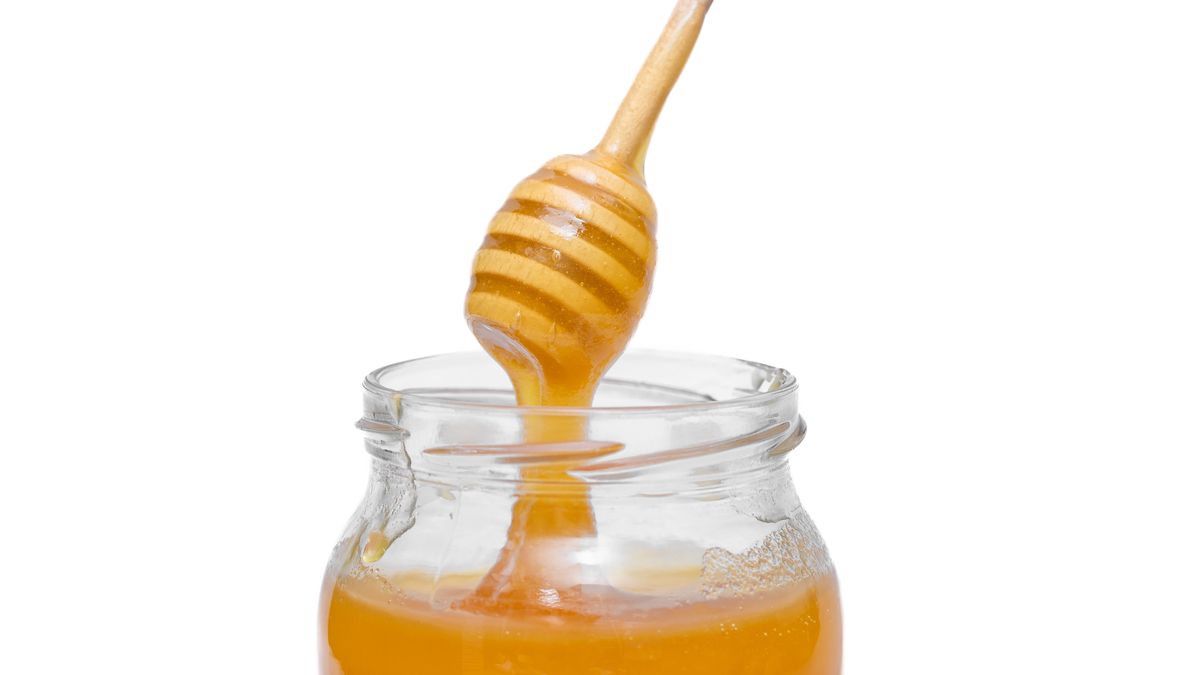
Foto ilustracyjneFoto ilustracyjne
Źródło zdjęć: © Licencjodawca | Foto: Stock Adobe, Pawel Kacperek

Today, we are increasingly aware of what we eat and are therefore looking for healthier alternatives. Honey is one such option: it is considered a health-promoting food and an alternative to white sugar. However, recognising genuine honey is not always easy. Natural honey crystallises; it also does not dissolve immediately in water but settles at the bottom of the glass. Read on to learn how to check whether honey is genuine.

How Can You Recognise Genuine Honey?

Genuine honey contains many valuable compounds that can benefit our health. Yet, while browsing shop shelves, you may come across products of unknown origin and questionable quality. What is more, synthetic substitutes for natural honey may even contain substances that are harmful to health. So what should you look for when buying honey?

Honey Labels and Ingredients

There are at least several ways to check whether honey is fake. Before buying it, especially from a supermarket, always read the label carefully. Avoid "blends of honeys originating from EU and non-EU countries", because this means the honey is not locally produced and comes from elsewhere, for example China or Argentina. It may also be blended with other types of nectar to standardise its colour and consistency, a process that can involve intensive heating and filtration, both of which can reduce its nutritional value.

Genuine honey will not contain glucose-fructose syrup, sweeteners or colourings. Honey with these additives is simply sugar syrup with a little honey. Although artificial honey is usually cheaper, it has no health-promoting properties; it is merely a sweet, sticky substance best avoided.

What Should Genuine Honey Look Like?

People familiar with honey should have little difficulty assessing its authenticity. Freshly harvested honey is liquid. However, genuine honey crystallises and becomes firmer over time. The rate of crystallisation depends on the variety: lime blossom honey crystallises the fastest, often within just a few days, whereas honeydew honey may take several months.

Another characteristic of genuine honey is a thin film on its surface, which is not found on artificial honey.

What Does Genuine Honey Taste Like?

Genuine, high-quality honey with no additives should taste sweet at first, followed by a slight tingling or even a burning sensation in the throat. Artificial honey will taste bland and may have a chemical aftertaste.

Tests for Honey Authenticity

There are several ways to assess the authenticity of honey and check for yourself whether the product you have bought is genuine:

Water Solubility Test

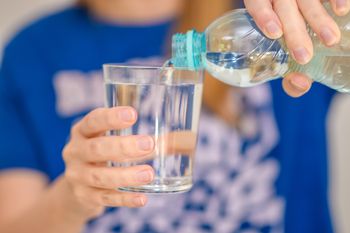
Pour honey straight from the jar into a glass of cool water. If it is genuine, it should flow in an unbroken stream and settle at the bottom of the glass. Fake honey will dissolve in the water immediately.

Teaspoon Test

Scoop some honey directly from the jar with a teaspoon, then pour it onto a plate. Genuine honey will flow in a thin stream and form a cone-shaped mound on the plate. Artificial honey will drip intermittently and will not form a cone.

Pencil Test

For the pencil test, place a drop of honey on your hand and touch it with the tip of a pencil. Genuine honey should not change colour, whereas adulterated honey will turn dark where it touches the pencil.

How Can Honey Be Adulterated?

Honey can be adulterated even before it is harvested from the hive. Some beekeepers feed bees sugar while flowers are in bloom; the insects then carry it to the hive and combine it with honey. Such a product lacks valuable nutrients. Honey is also adulterated by heating, which may cause harmful compounds to form.

Where Can You Buy Genuine Honey?

To be sure that honey is genuine, it is best to choose bee products from reputable, trusted suppliers. Look for certificates confirming the product's quality and origin. Buying honey directly from producers supports the local economy and offers greater confidence that the product is authentic, unmodified and of the highest quality.

Sources:

1. Katarzyna SZWEDZIAK, DSc, Eng., Professor at Opole University of Technology, Methods for Assessing Honey Quality [in:] Advances in Food Processing Technology 1/2017.

Selected for you