





How Do Animals Prepare for Winter?

Konrad Koneczny
Foto ilustracyjneFoto ilustracyjne
Źródło zdjęć: © Licencjodawca | Foto: Stock Adobe

A New Coat for Freezing

WeatherAnimals begin preparing for winter in early autumn, as the days grow shorter. One of the most fascinating changes is the replacement of a summer coat with winter fur. This process is crucial to the survival of many species because winter fur provides better thermal insulation and often excellent camouflage. The change in colour is especially noticeable in species such as the mountain hare and ermine, which turn snow-white for winter and blend into the landscape.


The change of coat is gradual and precisely controlled by the animal's body. Winter fur differs from a summer coat not only in colour but, above all, in structure: it is denser and longer. The new coat has two layers: a waterproof outer layer and a soft inner layer that traps air and acts as natural insulation. Together, these layers protect against cold and moisture, helping animals maintain an optimal body temperature even during severe frosts.

A Well-Stocked Winter Larder

Storing food is one of the most important winter survival strategies in the animal world. Squirrels are true masters of this skill: they can create thousands of hiding places in a single season and are remarkably selective when choosing nuts. They begin storing food in late summer, when fruit and seeds are most abundant.

Animals use a range of techniques to protect their food stores. Squirrels, for example, often make false burying movements to mislead potential thieves and regularly move their supplies between hiding places. Badgers and other rodents also gather food intensively, creating extensive storage systems in their burrows. They can remember the precise locations of their caches even when they are covered by a thick layer of snow.

When Winter Rest Begins

Hibernation is a remarkable survival strategy used by many species in this climate. Hedgehogs begin preparing for hibernation when the temperature falls below 10 degrees Celsius, feeding intensively and building up fat beneath the skin. During this period they may even double their body weight, which is essential for surviving the long months of hibernation.

Preparing suitable shelter is just as important as building up energy reserves. Hedgehogs build special winter nests with walls up to 20 centimetres thick, using dry leaves, moss and overlapping branches to provide excellent insulation and water resistance. Bears also choose and prepare their winter dens carefully, looking for sheltered, dry places where the temperature will remain relatively stable throughout the winter rest.

Life in Slow Motion

Hibernation is a fascinating process that brings dramatic physiological changes. In some species, body temperature falls as low as 2 degrees Celsius, while breathing and heart rates slow severalfold. This is not ordinary sleep but a precisely controlled physiological state that allows animals to survive the most difficult part of the year.

Before hibernating, animals must store enough energy in the form of body fat. Mammals have developed a specialised form of fat known as brown adipose tissue, which has a particularly high energy value. This energy is vital not only for surviving hibernation but also for waking up, which requires an enormous amount of energy.

During hibernation, animals wake occasionally, usually to take in fluids or move to another part of their shelter. Every awakening uses a great deal of energy, so hibernating animals try to keep these episodes to a minimum. Hibernating species include bats, marmots, dormice and European hamsters.

Following the Sun

Migration is one of the most spectacular strategies for surviving winter. Migratory birds navigate by the sun during the day and the stars at night, and they can also sense the Earth's magnetic field. These remarkable abilities allow them to travel thousands of kilometres.

Birds prepare intensively before setting out on a long journey. They build up substantial fat reserves and reduce the size of some internal organs, helping them survive long flights over deserts or oceans. This is especially important because they cannot replenish their energy during these stages of the journey.

Migrations can range from long-distance journeys to short local movements. Some species, such as waxwings, are nomadic and appear in different places depending on food availability. Others, including storks and swallows, make regular seasonal migrations over long distances.

The Winter Diet of Forest Animals

Animals that remain active in winter must make major changes to their diet. Herbivorous mammals such as red deer and roe deer switch mainly to branches and the buds of trees and shrubs. They often form larger groups while searching for food, which improves their chances of survival.

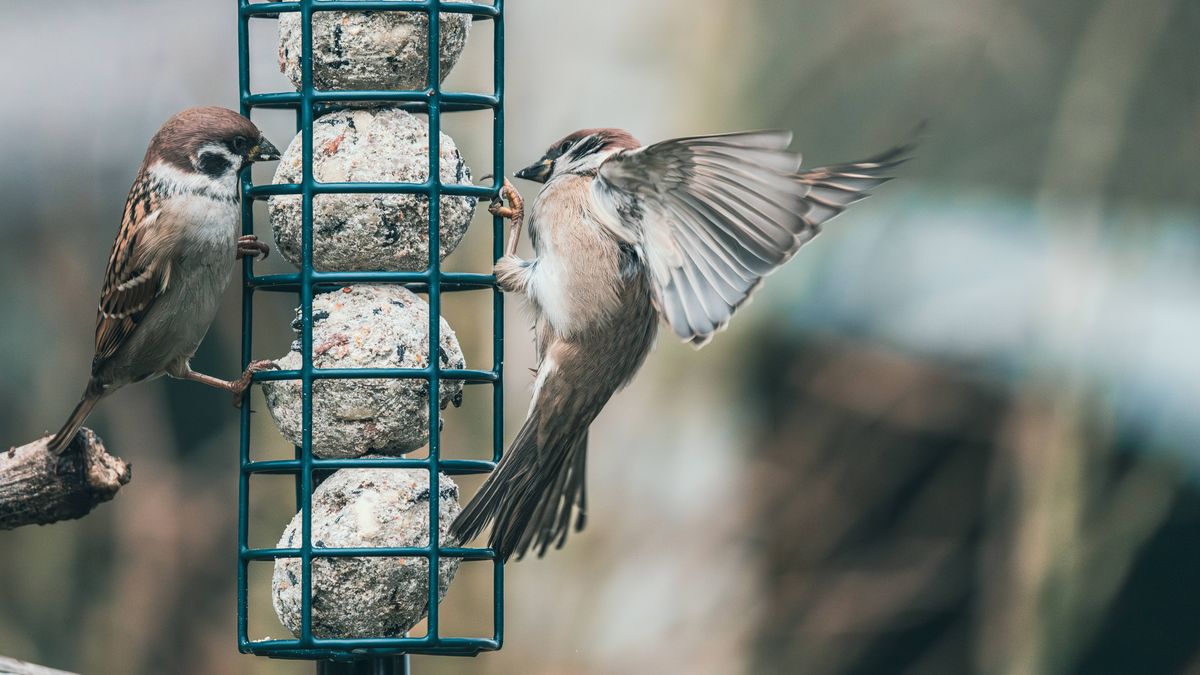
Predators must also adapt to winter conditions. Carnivorous species eat carrion more often because it is easier to find during winter. Some birds that normally feed on insects switch to a diet consisting mainly of seeds.

Masters of Winter Survival

Animals that remain active in winter have developed remarkable physiological adaptations. Their winter fur is denser and longer and is also coated with a layer of fat that acts as natural waterproofing. In red deer and roe deer, the hairs on the back overlap like roof tiles, helping water run off and keeping the skin dry.

Birds use a different approach: they grow more down feathers and can fluff them up to create a layer of air that acts as thermal insulation. Some species, including ermines and mountain hares, turn white, providing better camouflage in a winter landscape.

Selected for you