Caffeine and Endometriosis
Caffeine, the primary component of coffee, is the subject of extensive discussion among clinicians and patients affected by endometriosis. This naturally occurring substance, classified as an alkaloid, has stimulant properties and can influence various functions and processes in the human body. In the context of endometriosis, its effects on the hormonal, nervous, and digestive systems are considered particularly relevant.
Effect on Estrogen
Research indicates that caffeine may affect estrogen levels—the main female sex hormones. Estrogen plays a key role in a woman’s menstrual cycle and is important for many physiological processes. An increase in estrogen levels, which may theoretically be associated with excessive caffeine intake, could stimulate the progression of endometriosis. This suggests that women who have endometriosis and regularly consume large amounts of coffee may experience more pronounced symptoms.
Effect on the Nervous System
It is widely known that caffeine stimulates the nervous system, increasing alertness and concentration. However, in the setting of endometriosis, this stimulating effect may also lead to heightened pain perception, which can be particularly problematic for women who experience severe pain related to the condition. This suggests that reducing caffeine intake may help alleviate symptoms in some patients.
Effect on the Digestive System
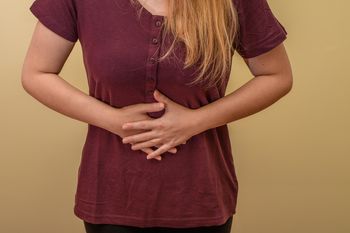
Caffeine—especially in larger amounts—can irritate the gastrointestinal tract, manifesting as abdominal pain, heartburn, or even diarrhea. For women whose endometriosis has involved the intestines, consuming caffeine-containing products may worsen symptoms. In such cases, it is advisable to monitor caffeine intake and adjust the diet accordingly.
In summary, although caffeine is common in many diets, for women with endometriosis it may act as a factor that exacerbates symptoms. An individualized approach and observation of how one’s body responds to caffeine can support the best decision regarding consumption.
What Does the Research Say?
Current research does not provide definitive conclusions as to whether moderate coffee consumption negatively affects endometriosis. However, some sources suggest that excessive coffee intake—for example, more than three cups per day—may increase the risk of developing endometriosis or worsening its symptoms. It is important to emphasize that individuals respond differently; therefore, monitoring one’s personal reaction to caffeine is essential. It is also advisable to consult a physician before making dietary or lifestyle changes, particularly in the context of chronic conditions.
What to Drink Instead of Coffee With Endometriosis?
If you are considering alternatives to coffee in the context of endometriosis, here are several options that may provide similar benefits or flavors without the potential side effects associated with caffeine:
- Caffeine-free herbal teas: Chamomile, mint, or hibiscus tea are excellent alternatives that may provide a relaxing effect without caffeine.
- Plant-based coffee substitutes: There are caffeine-free beverages made from plants such as chicory or barley. They are often referred to as "coffee substitutes" and can have a flavor similar to traditional coffee.
- Green tea: Although it contains caffeine, it typically has less than coffee. Green tea also offers health benefits, such as antioxidant effects. If you want to avoid caffeine, choose decaffeinated versions.
- Turmeric milk (golden milk): A milk-based beverage (including plant-based milk) with turmeric and other spices, known for its anti-inflammatory properties.
- Maca: A root from Peru, commonly used as a powder in shakes or smoothies. Maca is known for adaptogenic properties, meaning it may help the body adapt to stress.
- Dark chocolate: While it contains small amounts of caffeine, it may provide a mild "boost" due to another compound—theobromine.
- Honey-and-lemon drinks: Hot water with honey and freshly squeezed lemon can be an excellent way to start the day.
- Adaptogens: Plants and herbs that help the body adapt to stress, such as ashwagandha or rhodiola. They can be added to drinks or taken as supplements.
With endometriosis, it may be worth considering alternatives to coffee—especially if you are concerned about its potential impact on symptoms. Many caffeine-free options can offer similar flavor experiences or gentle energizing effects, including herbal teas, plant-based coffee substitutes, or turmeric milk. It is important to remember, however, that each body responds differently. For that reason, it is advisable to observe your well-being, tailor your diet to your individual needs, and consult a physician regarding nutritional choices in the context of chronic disease.