





Artificial Intelligence in Customer Service

Konrad Koneczny
Foto ilustracyjneFoto ilustracyjne
Źródło zdjęć: © Licencjodawca | Foto: Stock Adobe

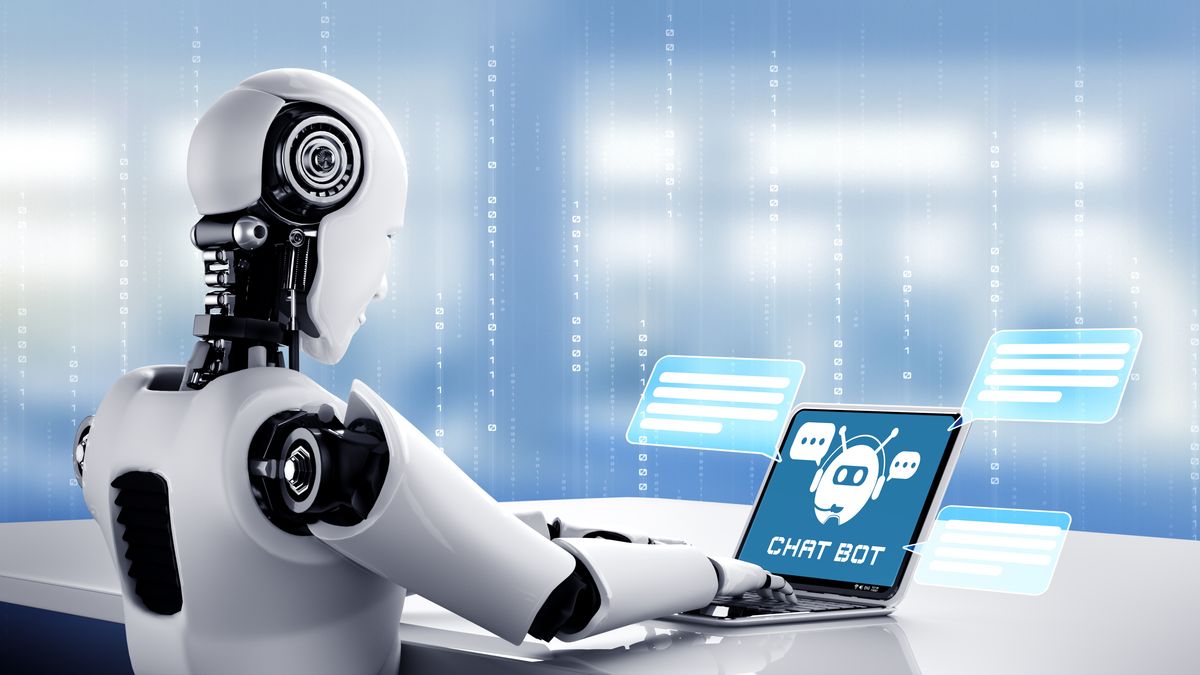
In recent years, AI-powered chatbots have become an indispensable customer service tool. Using advanced algorithms, these virtual assistants can answer users' questions in real time, analyse their preferences and tailor responses based on previous interactions.


Why Are Chatbots Becoming More Popular?

First and foremost, chatbots are available around the clock. Traditional customer service is often limited to business hours, whereas chatbots operate 24/7. Customers can obtain answers quickly without waiting in a queue. For businesses, chatbots also save time and money. Automating routine enquiries allows support teams to focus on more complex issues.

Another advantage of chatbots is their versatility. They can be deployed across a range of platforms, from websites and mobile apps to social media. Popular services such as Facebook Messenger and WhatsApp, for example, support chatbot features that make it easier for customers to interact with brands.

Perhaps the most important feature of modern chatbots is their ability to "learn". Using machine-learning techniques, they can continually improve their responses based on collected data, becoming increasingly accurate and relevant. As a result, conversations feel more natural and the overall quality of interaction improves.

Voice Search: A Revolution in How We Interact with Technology

Voice search is becoming increasingly popular in customer service, particularly through voice assistants such as Siri, Alexa and Google Assistant. It allows users to ask questions or issue commands without typing, offering significant convenience in everyday life.

Why Is Voice Search Becoming More Important?

Convenience is the main advantage of voice search. Users can ask questions, issue commands and even control devices with their voice, which is especially useful when their hands are occupied, for example while cooking. Voice-based interaction is fast and natural, making it the preferred form of communication for many people.

Voice assistants are also becoming increasingly sophisticated. Speech-recognition systems are more accurate and can understand different accents, intonation and context. With the help of AI, voice search "learns" from user interactions, becoming more intuitive and precise over time.

For businesses, this creates an opportunity to offer more personalised and automated customer service. In online shops, for example, customers can ask about the status of an order and receive an automatically generated response. Voice search can also streamline customer service processes considerably, reducing the need to contact a human adviser.

Chatbots and Personalised Customer Service

One of the most important trends in chatbot development is personalisation. Advanced AI algorithms allow chatbots to analyse a customer's history of interactions with a company and provide tailored responses. This means that chatbots can not only solve customer problems but also adapt their messages to individual needs and preferences.

How Does Chatbot Personalisation Work?

When integrated with customer relationship management (CRM) systems, chatbots can collect and analyse customer data such as previous purchases, questions asked during earlier interactions and preferences relating to products or services. Using this information, they can recommend products matched to a customer's interests or highlight promotions likely to appeal to them.

An online shop's chatbot, for example, might automatically remind a customer about products left in their basket or suggest items similar to those they viewed previously. This not only streamlines the purchasing process but also creates a more positive customer experience, strengthening loyalty to the brand.

Benefits of Personalisation for Businesses and Customers

Personalisation is key to increasing customer satisfaction. Instead of receiving standard, generic responses, customers feel that their needs are genuinely understood. For businesses, this can mean higher conversion rates and stronger customer loyalty. Personalised chatbot responses can also reduce the number of situations in which customers need to contact a human adviser, helping companies use their resources more efficiently.

What Does the Future Hold?

The use of artificial intelligence in customer service is only the beginning of a wider transformation. As technology develops, chatbots are likely to become even more sophisticated and natural to interact with, while voice search will be integrated into a growing number of areas of everyday life. What seems innovative today may become standard tomorrow. The key challenge will be maintaining the right balance between automation and the human touch, ensuring that technology supports not only efficiency but, above all, the development of lasting customer relationships.

Selected for you