




Are You Talking to a Bot Without Even Realising It? Here’s How to Tell

Konrad Koneczny
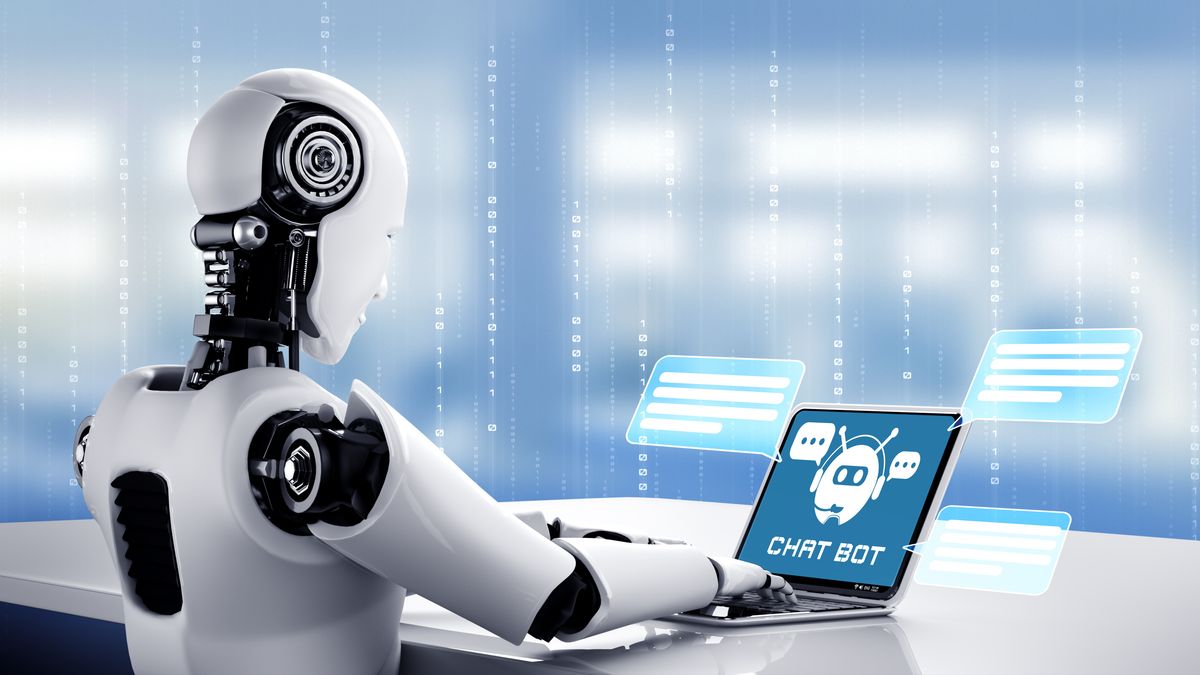
Foto ilustracyjneFoto ilustracyjne
Źródło zdjęć: © Licencjodawca | Foto: Stock Adobe

Social media bots are among the most common and underestimated threats in the digital world. Although many users imagine them as simple automated programs that reply to messages, modern bots can be remarkably sophisticated and difficult to identify. Their purpose is not only to generate traffic but also to manipulate public opinion, steal data and spread disinformation. They often operate unnoticed: commenting, liking, sharing and even conducting seemingly coherent conversations. To an ordinary user, they may look like real people, which makes them particularly dangerous.

Not every bot is malicious - some automate processes, such as replying to customers in online shops or publishing updates. The problem begins when bots are used for unethical or criminal purposes. Such accounts create a false impression of popularity, promote false information and influence users’ emotions and decisions. Their activity disrupts the natural flow of discussion and, in some cases, can even affect consumer or political choices. Understanding how they work and how to recognise them is no longer merely interesting; it has become an essential digital skill.

How Do Bots Work on Social Media?

Social media bots rely on automation: computer programs perform tasks that would normally require human involvement. They can post comments, like posts, send friend requests or create new accounts. Their creators use public APIs or exploit security vulnerabilities in platforms to bypass the restrictions imposed by social media services. The greatest danger is that modern bots can learn from users’ behaviour. Using artificial intelligence, they analyse writing styles and adjust their tone to appear more credible.

Although technically computer programs, their behaviour can seem very human. In comments on Facebook, X (formerly Twitter) or TikTok, you may encounter accounts that react emotionally, praise products, defend politicians or attack opposing views. This can all form part of a planned campaign intended to create a particular mood among users. That is why bots are so effective: they do not need to persuade with facts; they only need to provoke emotions and create the illusion of widespread agreement.

What Types of Bots Are There and What Are They Used For?

Not all online bots have the same purpose - they differ in their tasks, methods and level of sophistication. Advertising bots are among the most common. They artificially boost the popularity of posts, comments or brands to create the impression of high interest. In marketing, this may be used to create so-called social proof: the belief that if something is popular, it must be good. Far more dangerous, however, are political and propaganda bots, which spread particular narratives on a large scale, disseminate disinformation and polarise society.

Phishing and spam bots are a particularly dangerous category. The former send messages containing fake links, often impersonating banks, online shops or social media platforms. Clicking such a link can lead to stolen login details or malware infecting the device. Spam bots, meanwhile, flood groups and forums with thousands of comments or offers, making normal conversations difficult and discouraging users from taking part. As a result, even a small number of bots can effectively paralyse an entire online community.

How Can You Tell That You Are Talking to a Bot?

Identifying a bot on social media can be difficult, but certain warning signs should put you on alert. Bots often operate with unnatural regularity: they post at all hours of the day and night, comment within fractions of a second after content is published, and respond in formulaic ways with a carefully controlled emotional tone. Their messages are short and barely personalised, often repeating the same phrases or quoting well-known sources without context.

Another clue is the profile itself. Fake accounts usually use stock photos or AI-generated images, provide little biographical information and have a very limited activity history. A lack of natural interactions - conversations with others, answers to questions or everyday-life photos - is another warning sign. If an account performs hundreds of actions a day despite being created only a few weeks earlier, it is highly likely to be a bot.

Why Are Bots Dangerous?

Bots are more than a nuisance: they can genuinely affect users’ decisions and online safety. The greatest threat is the manipulation of public opinion. Automated accounts can amplify particular messages, create artificial discussions or mass-share false content that stirs emotions and spreads faster than facts. As a result, users begin to believe false information, influencing their purchasing, political and social decisions.

Equally dangerous are bots used for stealing data. They impersonate well-known brands and send fake links to competitions, surveys or promotions. In reality, they redirect users to phishing sites or install malware. Such attacks often lead to identity theft and, consequently, financial losses. Awareness of the threat and caution towards suspicious messages are no longer optional; they are essential.

How Can You Protect Yourself from Bots?

An informed user can effectively reduce the risk of interacting with bots by following a few simple rules. Vigilance and common sense are crucial, especially when someone is trying to provoke an emotional reaction or persuade you to click a link. Bots are more effective the more impulsively we respond.

Check profiles - look at the photos, number of friends, account creation date and authenticity of the content.

Do not click suspicious links - even if they appear to come from friends or popular brands.

Report suspicious accounts - every social media platform offers a way to report bots and fake profiles.

Be wary of "promotions" and "competitions" - if you suddenly receive a link claiming that you have won something, it is probably a scam.

Use security software - suites such as Panda Dome Premium help detect and block phishing, spyware and other threats that often accompany bot activity.

Combining vigilance, education and suitable software is the most effective defence strategy. No security measure can replace the user’s judgement, but modern tools can detect and neutralise threats before they cause harm.

The Role of Social Media Platforms and Public Institutions

Responsibility for combating bots does not rest solely with users. Major social media platforms, including Facebook, Instagram, X and TikTok, invest in technologies that identify automated accounts. They use behavioural analysis, activity patterns and artificial intelligence to detect bots and limit their influence on discussions. However, this fight resembles an arms race: every new bot-detection method gives rise to increasingly sophisticated ways of disguising them.

Public institutions and cybersecurity organisations have an equally important role. In Poland, NASK and CERT Polska are among the organisations working in this area: they monitor threats, publish warnings and run educational campaigns. These programmes aim to raise user awareness, particularly among young people, who are most vulnerable to disinformation. Cooperation among platforms, institutions and users is the only way to effectively limit bots’ influence on the public sphere.

Social media bots are now among the most serious challenges facing the modern internet. They can influence emotions, decisions and even election results or corporate reputations. Eliminating them completely is impossible, but users can learn to recognise them and avoid being drawn into their web of manipulation. Digital education, caution and the use of security tools are the best ways to retain control over what we see and believe online.

Selected for you