Carnosine works in several ways that may support health and slow down the ageing process. First, as a powerful antioxidant, it protects cells from oxidative damage. Free radicals, which form during normal metabolic processes, can damage DNA, proteins, and lipids, leading to cellular ageing. Carnosine helps neutralise these free radicals, thereby reducing the risk of damage.
Additionally, carnosine has the ability to chelate heavy metals, meaning it can bind to toxic metals like mercury and lead, helping to remove them from the body. This detoxifying effect is particularly important in today’s world, where we are exposed to many environmental pollutants.
Carnosine is being studied for a range of potential health benefits. One of the main areas of interest is its effect on ageing. Research suggests that carnosine may delay cellular ageing, leading to longer cell life and better function.
Furthermore, carnosine may support nervous system health. There is evidence that it can protect brain cells from damage and support cognitive functions, which is especially important in the context of neurodegenerative diseases such as Alzheimer’s.
Carnosine is also being investigated for its impact on heart health. Thanks to its antioxidant and anti-inflammatory properties, it may support blood vessel health and reduce the risk of cardiovascular diseases.
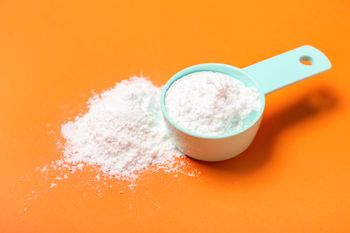
Supplementing with carnosine is relatively straightforward, as it is available in capsule and tablet form. The recommended dosage can vary depending on individual needs and health status, but it typically ranges from 500 to 1000 mg per day. It is important to consult a doctor or nutrition specialist before starting supplementation to ensure it is safe and suitable for the individual.
Where Is It Found Naturally?
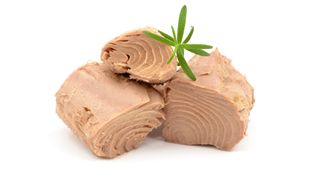
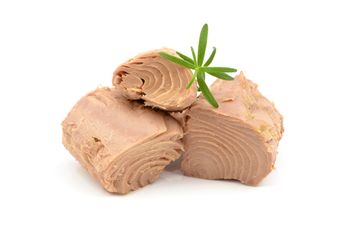
Carnosine occurs naturally in animal-based products, especially meat. The highest amounts can be found in beef, pork, and poultry. As a result, people on vegetarian or vegan diets may have lower levels of carnosine in their bodies and might consider supplementation.
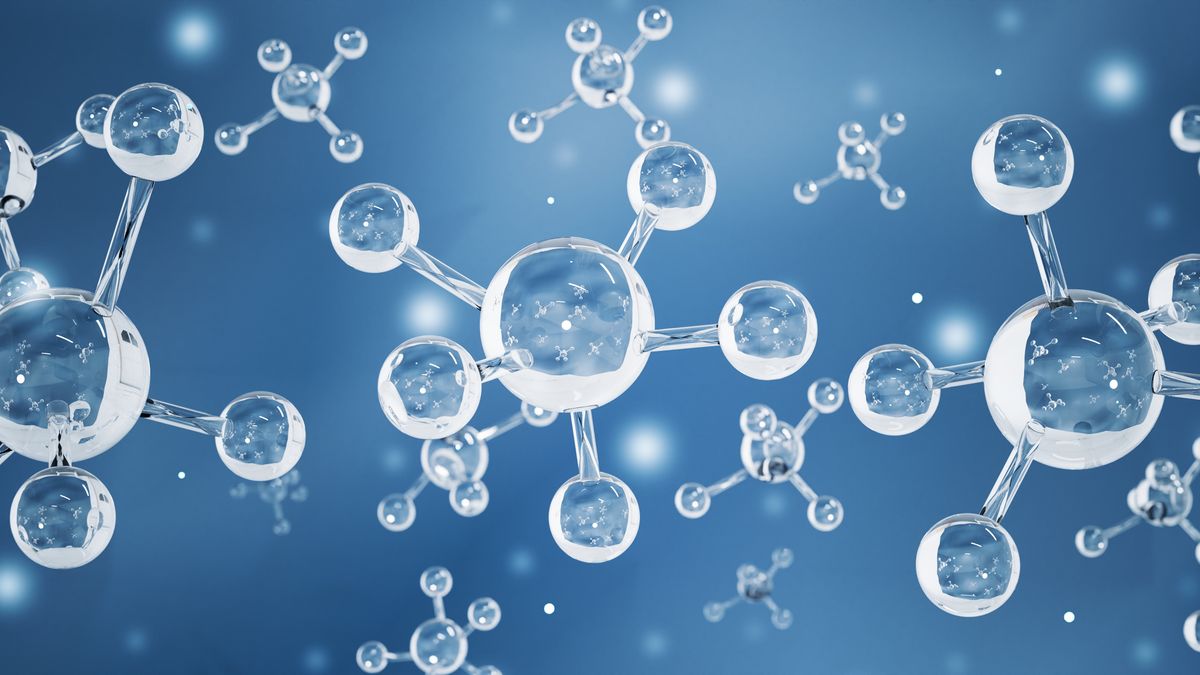
In summary, carnosine is a fascinating molecule with many potential health benefits. Its antioxidant, detoxifying, and nervous system- and cardiovascular-supporting properties make it an interesting subject for research and supplementation. However, as always, it is wise to consult a professional before starting any supplementation to tailor it to individual needs and health conditions.