Why do we feel rubbish when we’ve got inflammation in our bodies?
Inflammation is the body’s natural response to infections or injuries. But when it becomes chronic, it can lead to a whole host of health issues, including constant fatigue. Long-term inflammation can mess with our immune system, leaving us feeling weak and drained. Prolonged inflammation can also contribute to chronic diseases like heart disease, diabetes, and even some cancers.
Which foods have anti-inflammatory properties?
Green tea is packed with polyphenols, which have strong anti-inflammatory effects. Drinking it regularly can help cut down inflammation and improve overall wellbeing.
Garlic is known for its antibacterial and anti-inflammatory properties. It contains allicin, which helps fight infections and reduces inflammation in the body.
Chamomile is often used as a natural calming remedy, but it’s also got anti-inflammatory properties. You can drink it as tea or add it to meals.
Turmeric contains curcumin, a compound with powerful anti-inflammatory effects. Adding turmeric to your food can help reduce inflammation and improve health.
Berries like blueberries and raspberries are loaded with antioxidants, which help fight free radicals and reduce inflammation.
Nuts like almonds and chia seeds are a great source of healthy fats and protein, which support the immune system and help combat inflammation.
Extra virgin olive oil is rich in healthy fats and polyphenols, which have anti-inflammatory effects. Use it in salads or cooking.
How to start an anti-inflammatory diet?
Switching to an anti-inflammatory diet doesn’t have to be hard. Here are a few steps to help:
Replace processed foods with whole foods: Try to avoid processed stuff that might contain harmful trans fats and added sugars. Instead, go for fresh fruit, veg, whole grains, and lean proteins.
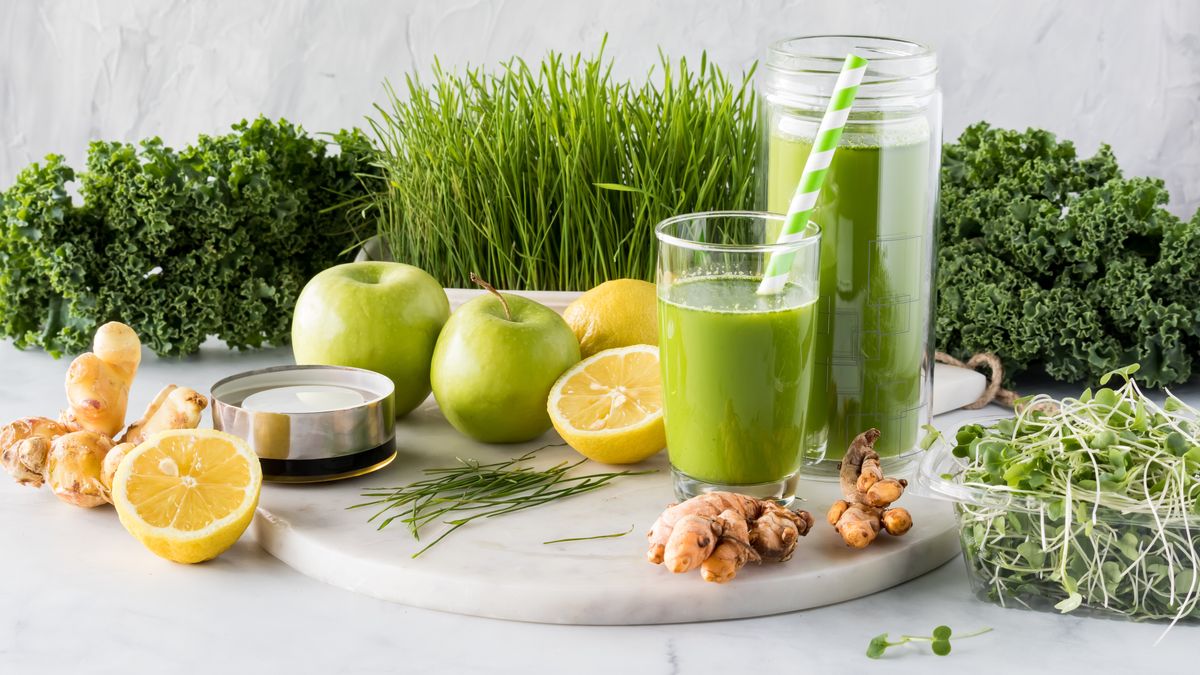
Eat more veg: Vegetables are packed with vitamins, minerals, and fibre, which support health and help fight inflammation.
Choose healthy fats: Instead of saturated fats like butter, opt for healthy fats like olive oil, avocado, and nuts.
Cut back on sugar and salt: Too much sugar and salt can contribute to inflammation. Try to limit them and use natural seasonings instead.
Drink plenty of water: Staying hydrated is crucial for health. Water helps flush out toxins and keeps your body running smoothly.
Summary
The anti-inflammatory diet can be an effective way to reduce inflammation and improve how you feel. Adding anti-inflammatory foods to your diet can help fight chronic fatigue and weakness. Just remember, every body is different, so it’s worth chatting with a dietitian or doctor before making big changes to what you eat.