


Are Dog Harnesses Better Than Collars?

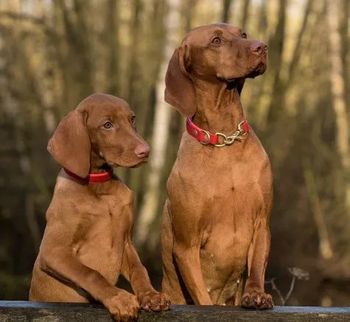
There is a reason why dogs are often called man's best friend. Dog owners know just how attached these animals can become to their humans and how enthusiastically they can express their affection. That's why we should do everything we can to provide them with a comfortable and safe environment.
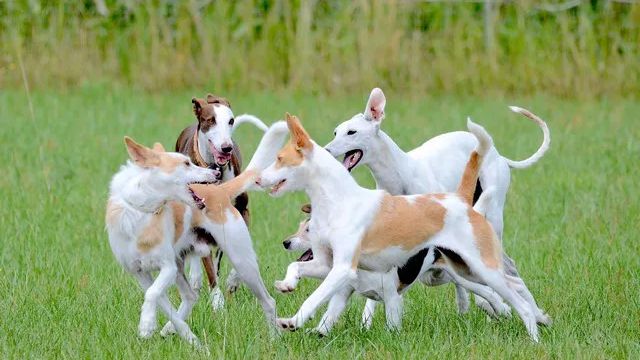
Dogs at playDogs at play
Źródło zdjęć: © Licencjodawca
Konrad Koneczny

But why are we bringing this up in an article about dog collars and harnesses? Because dog owners tend to fall into two camps, representing the traditional and modern approaches to teaching dogs commands and keeping them under control during walks. What does this have to do with a dog's safety and comfort? Let's find out.

Let's Debunk a Myth About Dog Collars and Harnesses

Before getting to the heart of the matter, let's debunk one of the most common myths among people buying collars and harnesses for their dogs. According to this misconception, harnesses are only suitable for small dogs, and once they grow up, they should switch to collars.

Why? Perhaps because harnesses tend to be more expensive, although there doesn't seem to be any practical justification for this belief. The fact is that both adult dogs and small puppies can find harnesses in the right size. After all, manufacturers wouldn't produce such a wide range of sizes if there were no demand for them.

Dog Harnesses Offer Safety and Comfort

Let's consider for a moment how our dogs experience wearing collars and harnesses. It doesn't take long to realize that the primary purpose of both accessories is to allow owners to restrain their pets when necessary.

With a harness, the force applied when restraining a dog is distributed across several areas of its body. With a collar, however, that force is concentrated entirely on the dog's neck.

What does this mean? If we pull too hard on the leash (something collar advocates sometimes refer to as a "behavioral correction"), we can cause our pets pain.

Surely you don't want to choke your beloved dog, whether it's Max, Buddy, or any other four-legged friend. After all, your dog is your companion. You want to make walks comfortable for your pet while also knowing that you can maintain control if necessary.

So why choose a prong collar or a choke collar?

Dog Collars and the Risks They Can Pose

A collar isn't inherently a bad accessory. However, if an owner lacks patience with their dog, the harder they try to assert their dominance through physical force, the greater the risk of harming their pet's health.

What can happen? The most likely consequences of using excessive force to correct a dog's behavior with a collar include:

  • Choking or restricting the dog's breathing.
  • Damage to the larynx.
  • Strain or injury to the dog's spine.
  • Pain (conditioning a dog's behavior by creating associations with pain is not the only training method available, and from the perspective of a dog lover, it seems unnecessarily cruel and unjustified).

Instead of trying to force a dog into obedience, it's worth learning how to teach your pet to walk calmly on a loose leash.

Choosing the Ideal Dog Harness

Both collars and harnesses can work equally well when used correctly. However, as responsible dog owners and caregivers, we need to know how to use them properly.

The first rule is to avoid prong collars and choke chains entirely. There is no justification for using them other than taking pleasure in causing suffering to your pet.

If you decide to choose a harness, there are several important details to consider:

  • Proper fit: Both loops of the harness should be appropriately sized.
  • Correct positioning: The harness should fit in such a way that the strap running around the dog's belly does not sit too close to its front legs.
  • Material: The harness should be made from durable yet soft material, without sharp edges or rough elements that could irritate the dog's skin.
  • Lightweight construction: The harness should be light enough to ensure your dog's comfort.
  • Quick-drying fabric: Choose a material that dries quickly, especially if your dog enjoys walks in wet weather.

Selected for you